
A brain–computer interface turns brain activity into commands. The design: a player wears a non-invasive EEG headset; the signals are cleaned, turned into features and classified into intentions such as move, aim, jump or rest, and the game is meant to respond in real time. Visual and auditory feedback close the loop so the system can adapt to each player, with potential uses in neurorehabilitation and training.
Data in
- Multichannel EEG from a non-invasive headset (Fz, C3, Cz, C4, Pz)
What it is meant to deliver
- Real-time decoding of intention, attention and motor imagery
- Game commands: move, aim, jump, shoot, rest
- Neurofeedback and per-player adaptation
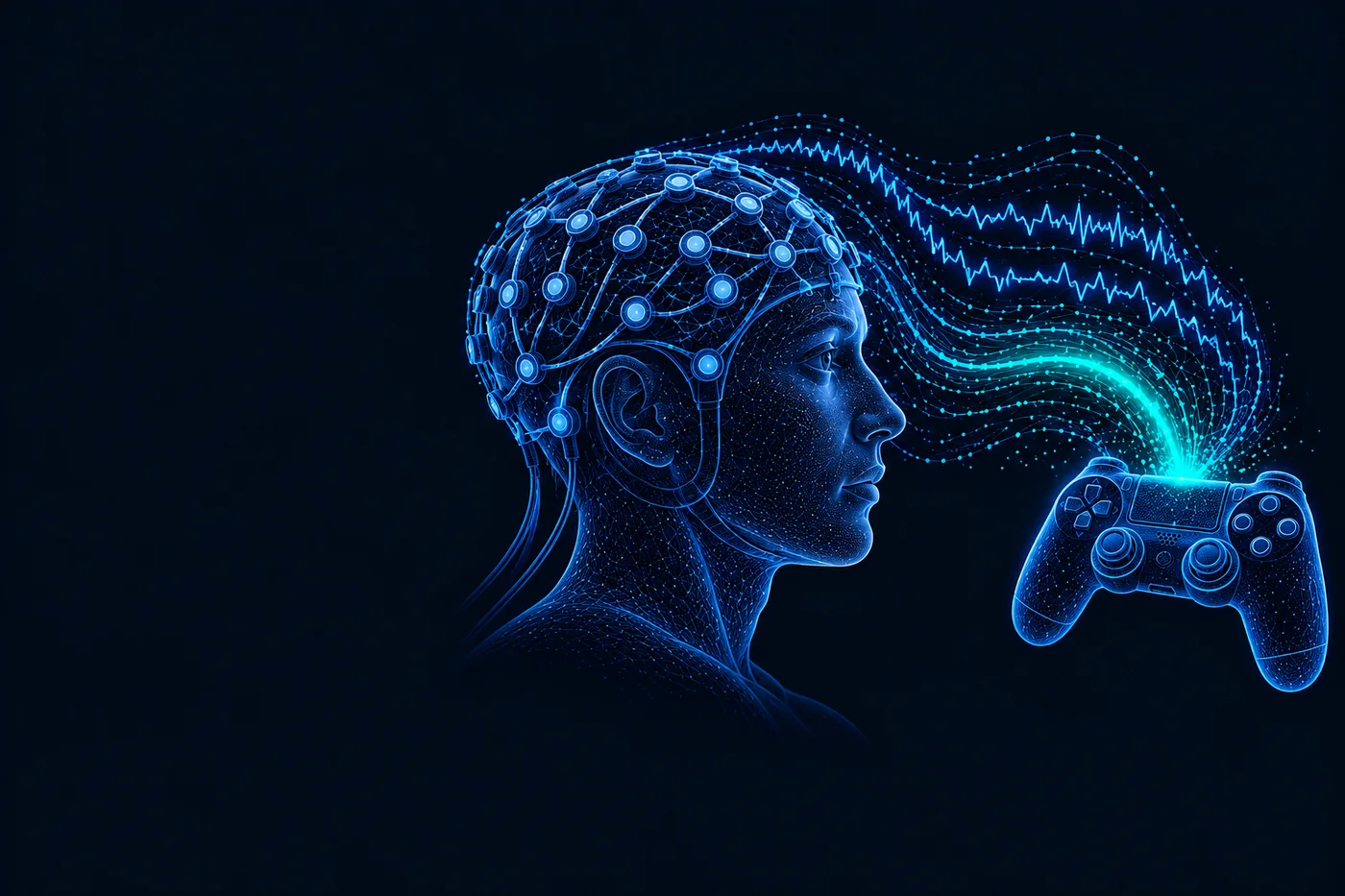
Overview
The full picture.
From brain signals to game actions, and back to the player as feedback. Planned framework; no results are reported here.
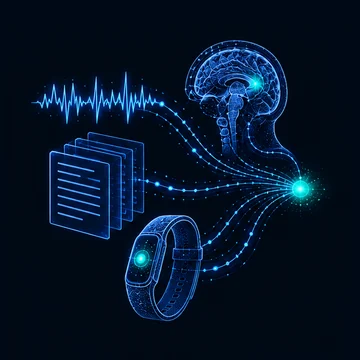
01Brain signal acquisition
- Non-invasive EEG headsetchannels such as Fz, C3, Cz, C4, Pz
- Raw EEG streamsent wirelessly in real time
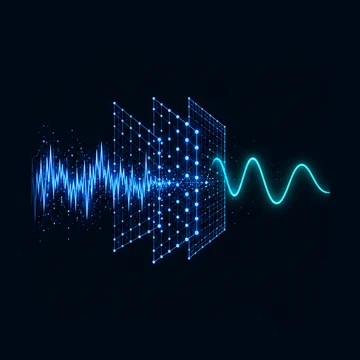
02Signal processing
- Preprocessingfiltering, artifact removal
- Feature extractiontime, frequency and spatial features
- Mental-state decodingintention, attention, motor imagery
03Intent recognition
Classified intentions
- Move
- Aim
- Jump
- Shoot
- Idle / rest
04Game control
- Real-time command executiondecoded intentions become game actions
- Game actionsmove, aim, jump, shoot
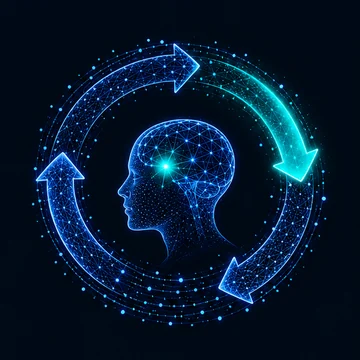
↻Closed loop: feedback & adaptation
- Visual & auditory feedback
- Performance feedback (speed, accuracy, success rate)
- Adaptive learning per player
- Neurofeedback
✓Key advantages
- Real-time game control
- Hands-free interaction
- Personalized & adaptive
- Non-invasive & safe
- Immersive gaming experience
- Potential for neurorehabilitation & training
Illustrations generated with ChatGPT for the AI4Health Lab. They depict research themes, not study data.